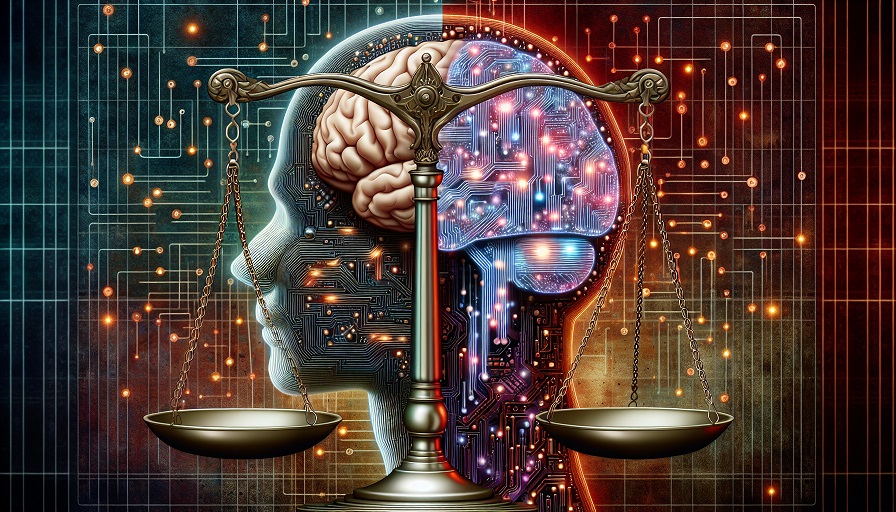
AI-generated art has exploded in popularity, with tools like MidJourney, DALL·E, and Stable Diffusion enabling anyone to create stunning visuals in seconds. But with this explosion comes a thorny question: who owns the art? Is it the person who typed in the prompt, the creators of the algorithm, or perhaps no one at all? This debate is not just academic—it affects artists, tech companies, consumers, and even courts. Here we examine ownership claims, legal precedents, ethical dilemmas, and what the future might hold for AI art rights.
The Rise of AI-Generated Art
Before 2020, creating digital art required either artistic skill or technical design training. Today, anyone can type a prompt like “a futuristic city painted in watercolor style” and produce high-quality artwork. This democratization of art challenges long-held notions of creativity and ownership. If art can be created instantly with the help of AI, does traditional copyright still apply?
Claim 1: The User Owns the Art
Many argue that the person who provides the prompt should own the resulting artwork. Reasons include:
- Creative input: Users shape the output through word choice, style, and iteration, which involves creative intent.
- Effort and direction: While the AI generates pixels, it’s the user’s vision that guides the process.
- Analogy to photography: Photographers own their images even if the camera does much of the technical work.
This perspective appeals to individuals who use AI as a tool, much like a brush or lens, rather than an autonomous creator.
Claim 2: The Algorithm Creators Own the Art
Others contend that the companies or developers who built the algorithm hold ownership. Their arguments include:
- Technical authorship: The algorithm is the true generator of the art, not the user.
- Intellectual property: The developers’ code, training methods, and datasets make the output possible.
- Software license terms: Many AI tools’ terms of service specify ownership rights, often granting the platform broad rights to user-generated outputs.
This view places ownership with those who created the means of production, not the end users.
Claim 3: No One Owns AI Art
Some legal scholars argue that AI-generated art falls into the public domain. Since copyright law generally requires a human author, purely machine-generated works may be unprotectable. This approach mirrors how discoveries or natural phenomena (like mathematical formulas) are not copyrightable. If accepted, this stance would mean AI-generated art is free for anyone to use, modify, or sell.
Legal Precedents and Court Cases
Courts around the world are grappling with this issue:
- U.S. Copyright Office: In 2022, it rejected copyright for a comic book with AI-generated images, stating that works must have “human authorship.”
- UK Law: UK copyright law includes provisions for “computer-generated works,” assigning authorship to the person who made the arrangements. This suggests users might hold rights.
- China: Chinese courts have leaned toward granting copyright to human operators of AI systems, recognizing their creative role.
- Ongoing disputes: Multiple lawsuits involve artists suing AI companies for training models on copyrighted images without permission. These cases could redefine ownership rules globally.
Ethical Considerations
1. Protecting Human Artists
If AI art floods the market without labeling or ownership rules, traditional artists may struggle to compete. Ownership debates affect not only who profits from AI art but also how human creativity is valued.
2. Transparency in Training Data
AI models are trained on vast datasets, often scraped from the internet. Many images come from human artists who never consented to their work being used. Should ownership extend to those whose art trained the AI?
3. Collaboration vs. Competition
Is AI a partner in creativity or a competitor? If viewed as a partner, ownership might belong to the human. If seen as a competitor, then perhaps no ownership is possible, as the AI itself cannot claim rights.
Case Studies: Ownership in Action
1. The AI Portrait Auction
In 2018, Christie’s auctioned an AI-generated portrait for $432,500. The creators of the algorithm took credit, sparking debate over whether the buyer truly owned a unique piece or just a copy anyone could generate with the same tool.
2. Stock Image Platforms
Getty Images banned AI-generated art due to copyright uncertainty. Other platforms allow it but require disclosure, leaving buyers unsure of legal protections.
3. Indie Creators
Small business owners and indie creators use AI art in logos, book covers, and games. Some assume ownership, but legal ambiguity means they could face disputes if works resemble existing copyrighted art.
Risks of Unclear Ownership
- Litigation: Artists or companies may sue over rights, creating legal uncertainty for businesses.
- Market instability: Buyers may hesitate to purchase AI art without clear protections.
- Exploitation: Developers or corporations may monopolize ownership, sidelining everyday users.
- Creativity chill: Fear of lawsuits may discourage people from experimenting with AI tools.
Possible Futures of AI Art Ownership
Several scenarios could shape the future of AI art rights:
- Human-centric ownership: Users retain rights to outputs, with AI seen as a tool.
- Shared ownership: Rights split between users and developers, possibly with royalty systems.
- Public domain model: AI-generated works enter the commons, free for all.
- New IP category: Governments create a new intellectual property framework tailored for AI outputs.
1. Prompt Journaling
Document prompts and iterations when using AI art tools. This record may support claims of creative input.
2. Transparency Practices
Label AI contributions in collaborative works to maintain ethical clarity.
3. Legal Awareness
Stay informed on local laws and platform terms of service before selling or distributing AI art.
Metrics for Ownership Clarity
- Legal recognition: Do courts consistently uphold user or developer claims?
- Market stability: Are buyers confident in ownership rights?
- Artist protection: Do policies safeguard human creators’ contributions?
- Transparency: Are training datasets and outputs clearly documented?
A Daily Routine for Ethical AI Art Use
- Morning: Generate art with AI and reflect on your creative role.
- Midday: Research current legal updates on AI copyright cases.
- Afternoon: Share your AI-created work with clear labeling of AI involvement.
- Evening: Journal ethical concerns raised by your use of AI tools.
AI-generated art challenges traditional notions of ownership. While users provide creativity and intent, developers supply the algorithms that make it possible. Courts and lawmakers are still defining the rules, leaving uncertainty for creators and consumers alike. Whether ownership goes to users, developers, or no one at all, one truth is clear: the future of art will increasingly be a collaboration between humans and machines, and our ethical frameworks must evolve alongside it.